
An evening of hope in Budapest
”The 2026 elections in Hungary were more than just elections; they were the beginning of a new Hungary,” writes Bálint Barcsai, a theatre director of Hungarian heritage and alum of the Theatre Academy, in his blog post.
I am writing these lines on Sunday, May 10. Yesterday marked the election and swearing-in of the new Hungarian prime minister, and with that, the new national assembly has been convened. When I was asked to write this blog post a month ago, the election had already taken place. I traveled home for this election myself, though of course I could have voted from Helsinki; but — like many other Hungarians living abroad — I wanted to be out on the streets that day, because I sensed we were about to witness a historic event.
However, very few people expected the opposition party Tisza to succeed at this level. They won 141 of the 199 seats in parliament, which is the largest proportion in the history of Hungarian democracy, and, just as importantly, a constitutional majority. This means there is a chance for a true regime change. The term “regime change” is actually untranslatable into English; if I switch the Hungarian Wikipedia article about this to English, this is what appears: “End of communism in Hungary.” But in Hungarian, it’s rendszerváltás = changing of the system. That’s how we refer to the historical event when Soviet troops withdrew from Hungary (even though Hungary was never part of the Soviet Union), and free and democratic elections could take place again. And now we’re using the same word to describe the collapse of Orbán’s regime. Just to give you a sense of its significance.
A month ago, images of crowds of Hungarians swimming in euphoria and filling the streets made the rounds in the global press. Yesterday, something similar happened. Civil society reclaimed the Hungarian Parliament building and threw a party in front of it and all the way along the Danube that lasted until four in the morning. Unfortunately, I wasn’t there, but I followed the events online. And for the second time since the elections, I found myself in tears. Like so many Hungarians. And among the many, many events that have happened and are happening right now, I’d like to highlight one. Because this might not go as viral abroad as, say, our dancing health minister. But it already did in Hungary.
After Péter Magyar, the new prime minister, delivered his first parliamentary speech — in which, among other things, he called on the president to resign — a tambura band made up of children arrived and played the Hungarian Roma anthem. This is a symbolic gesture of such magnitude that I personally have never seen anything like it in Hungarian politics.
The Hungarian Roma are Hungary’s largest minority, estimated to make up between 5 and 10% of the population. However, they have been suffering for centuries due to a complete lack of integration. The vast majority of them live in extreme poverty and without prospects. A Fidesz representative recently spoke of them in these terms: “So if there are no migrants, and someone has to clean the restrooms on the InterCity trains — because Hungarian voters aren’t exactly lining up to clean someone else’s filthy restrooms — then we must tap into our internal reserves. And those internal reserves mean the Roma community in Hungary.” In contrast, a small village tambura band — composed of both Roma and non-Roma members — just played the Roma anthem together. And it was no coincidence that many in the ranks of the representatives were in tears.
That song meant more than just itself there in parliament yesterday. It signaled that perhaps a new era is beginning in Hungary, one in which solidarity, mutual acceptance, and support will play a prominent role. Here is the video of it where the first song is the Hungarian Roma Anthem.
Writer
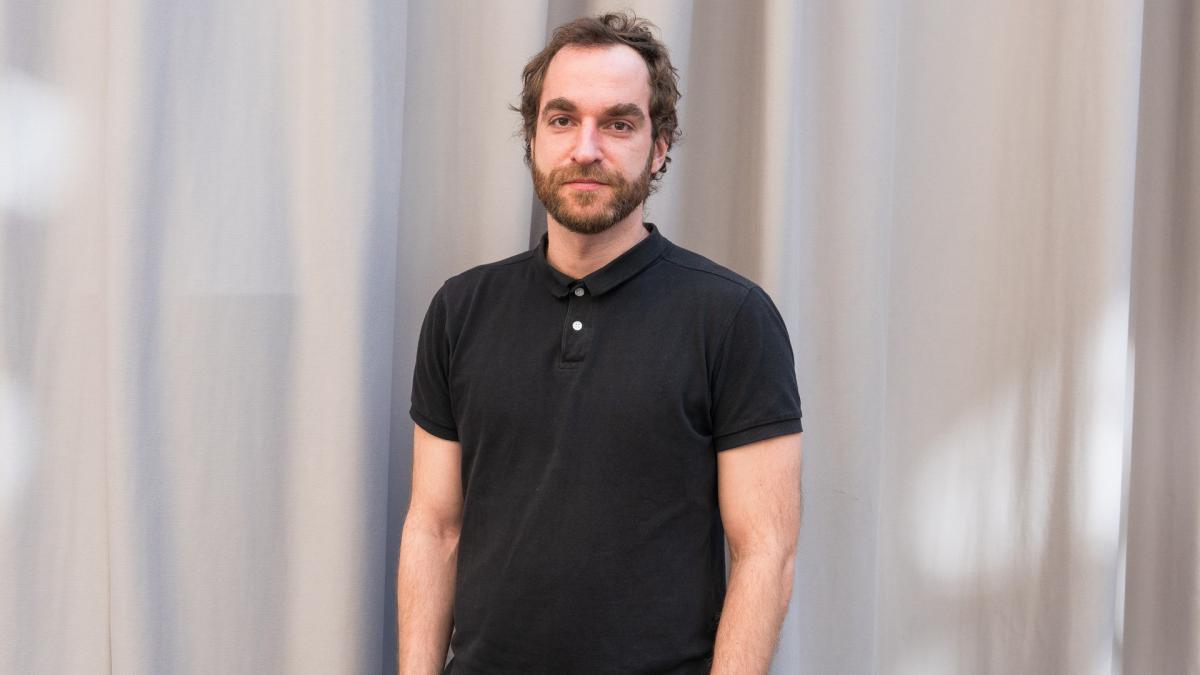
Bálint Barcsai
A theatre director of Hungarian heritage, and an alum of the Theatre Academy
Puheenvuoroja taiteesta ja yhteiskunnasta
Tässä blogissa yhteisömme jäsenet nostavat esiin ajankohtaisia aiheita taidekentältä ja yhteiskunnasta.
Uusimmat julkaisut
Seuraa blogia