
The North Stayed with Me by Monta Beca
Monta Beca is a textile artist and educator based in Latvia. Monta holds a BA in Textile Art and currently a First year Textile Art Master student at the Art Academy of Latvia.
*
I went to the North expecting to study extraction, but the experience made me question the relationship between extraction, preservation, connections (human and more-than-human), materiality and my own desire to escape the systems I am critical of.
Before travelling to Northern Finland, I was not really aware of the scope and consequences of extractivism in Europe. I had been thinking about the relationship between the extraction of the Earth and the extraction of the human body, particularly the female body, under the capitalistic system. I had experienced depletion and exhaustion from carrying out care work and mental load without proper aid from my community. I was longing for a deeper and more stable connection with the nature surrounding me. This course gave me the opportunity to encounter these questions through a particular landscape rather than only through theory.
The course began at the Academy of Fine Arts in Helsinki. Important questions were raised: How do we keep hope alive? How do we re-imagine the future? We discussed what kind of systems we want to feed into and what kind of present and future visions we want to keep alive with our creative work. One thought that stayed with me was that extractivism is about making things dense, pure and clean. By removing variation and difference, the end goal is to achieve complete homogeneity.
This became very tangible when visiting the Porttipahta dam. The violence was almost serene and invisible because it was covered by huge amounts of water. This dam drowned the biggest swampland in Europe and destroyed salmon rivers as well as local reindeer herding became increasingly difficult. Sami livelihoods and landscapes were completely altered yet on the surface it appeared calm and “clean”.
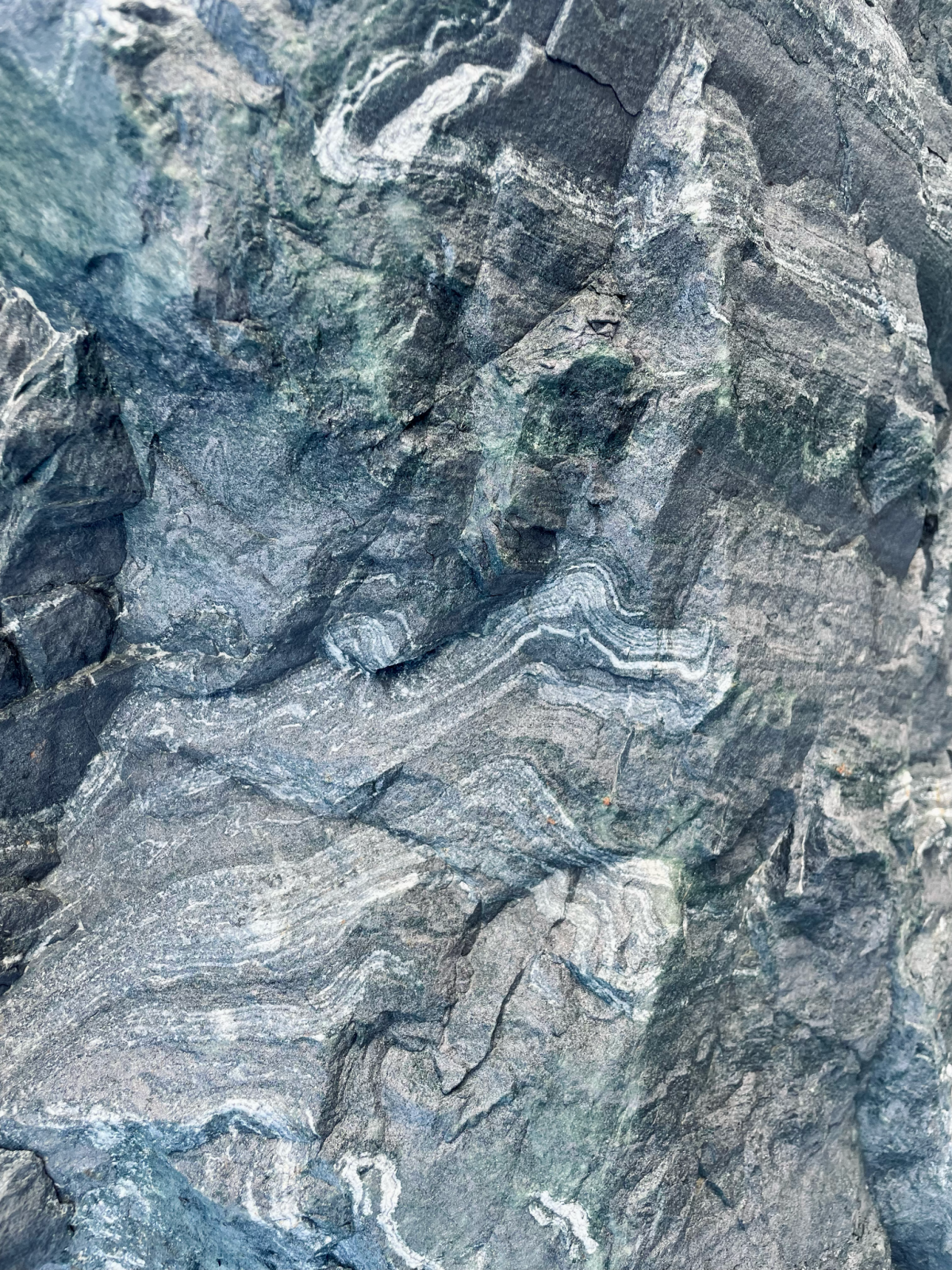
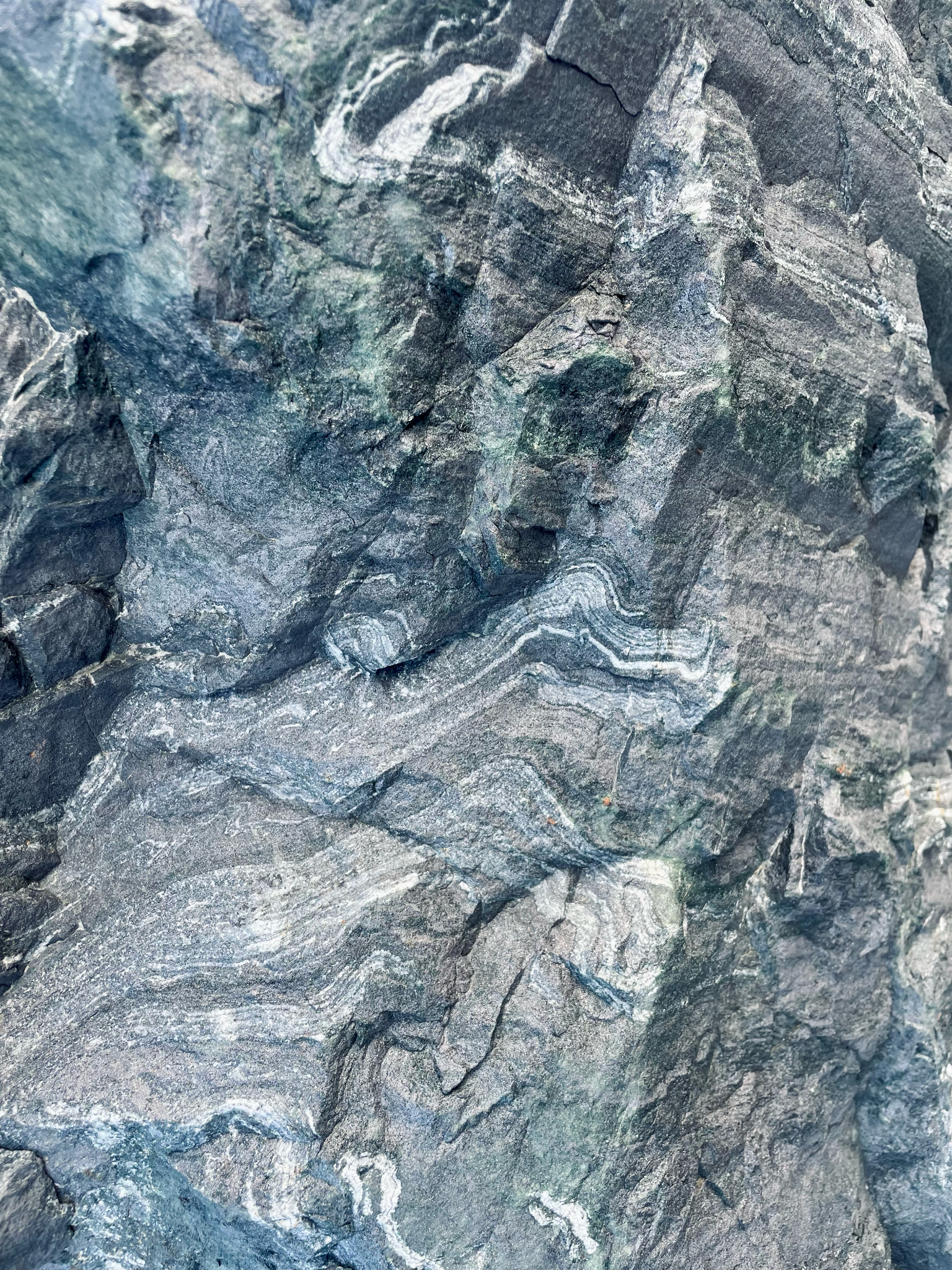
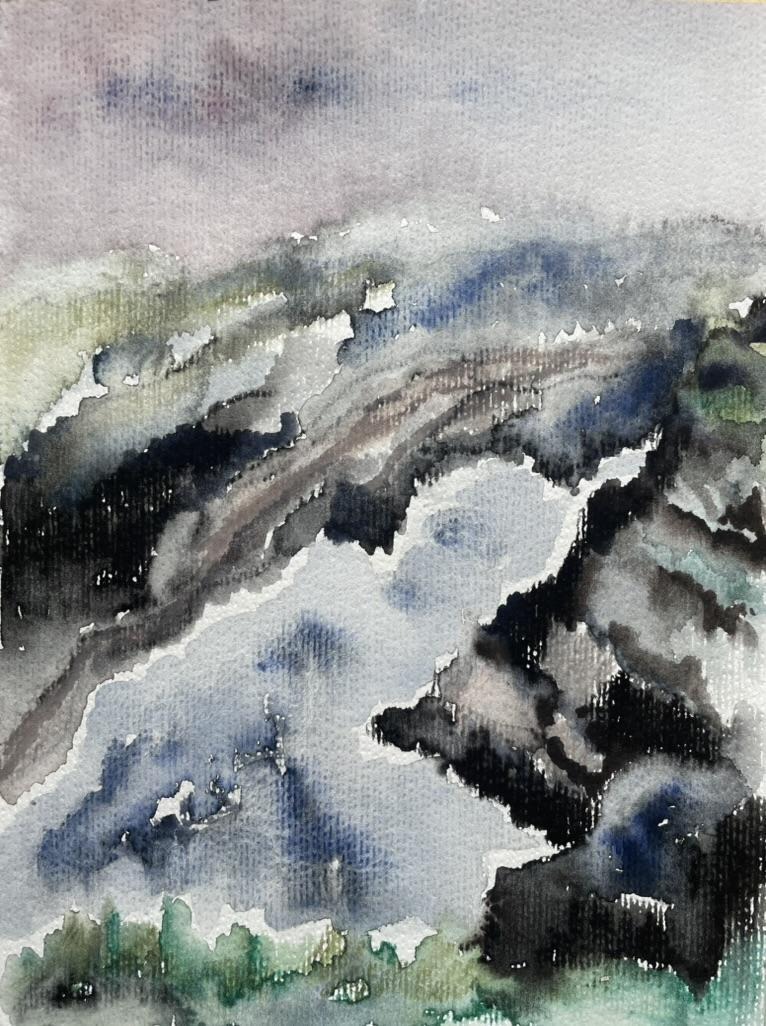
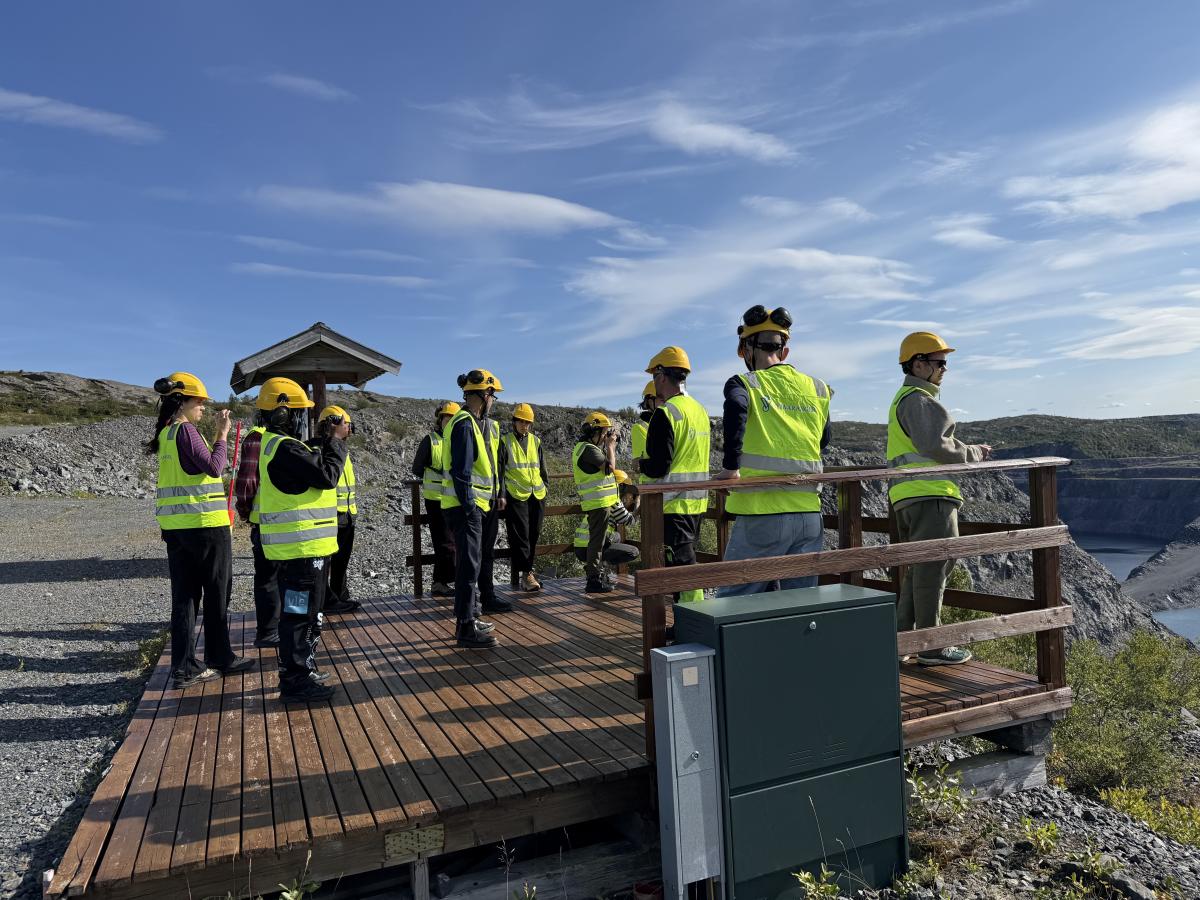
At the Sydvaranger iron ore mine in Kirkenes, Norway, extraction became visible again and felt very visceral. The rocks are crushed and processed until the iron can be separated from them. Material that is not valuable then becomes waste. In some cases, mining by-products are deposited in the fjords. They form natural “pockets” which creates a place where the waste can be discarded. The flora and fauna of this environment either dies or moves elsewhere.
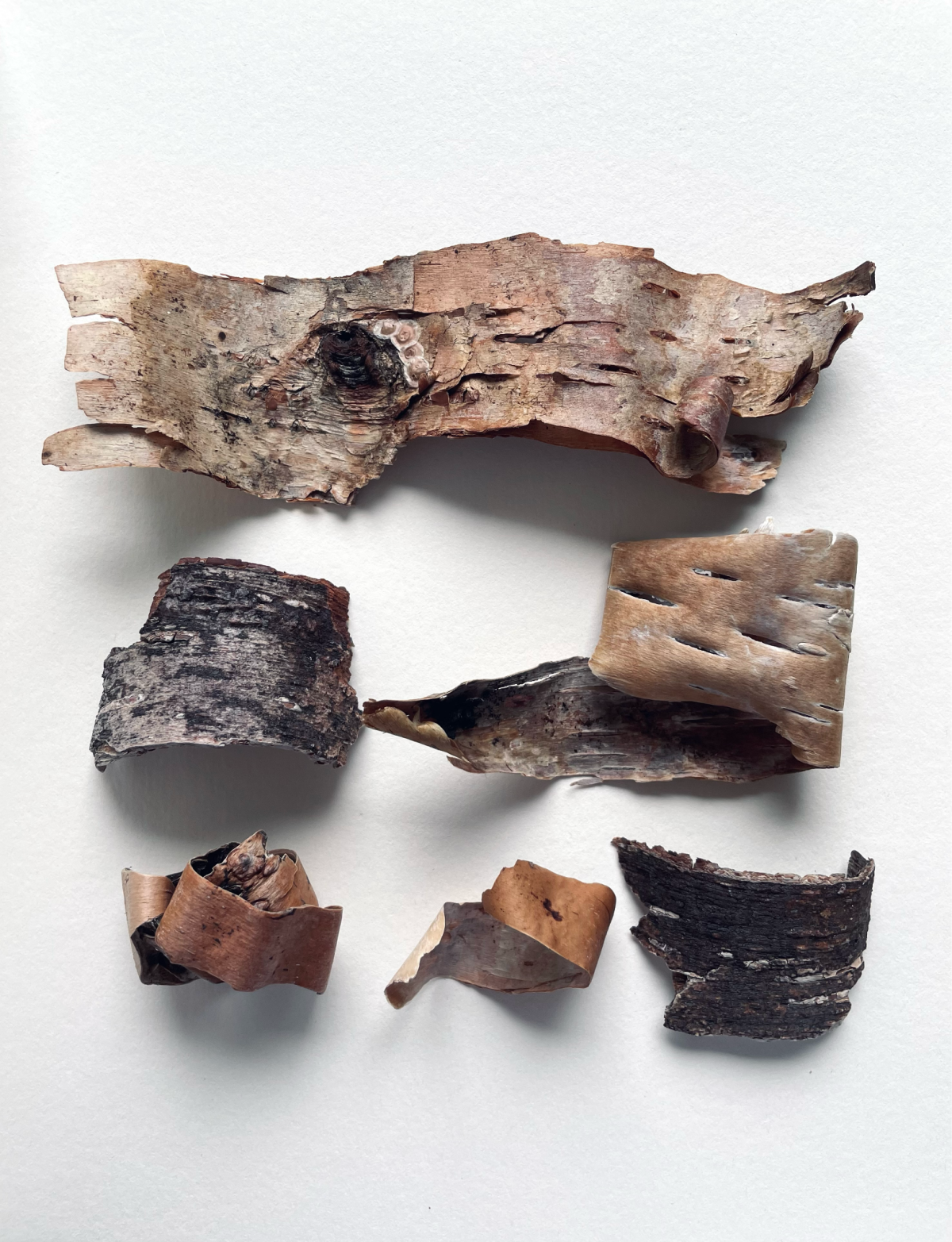
When visiting the Barents Sea coast, I collected washed out pieces of birch bark. At the research station I suddenly noticed them all over the place. Collecting them and other materials that had fallen on the ground felt like the least intrusive way to assemble some samples. I did not want to interfere and extract the place even more than it had already been done.
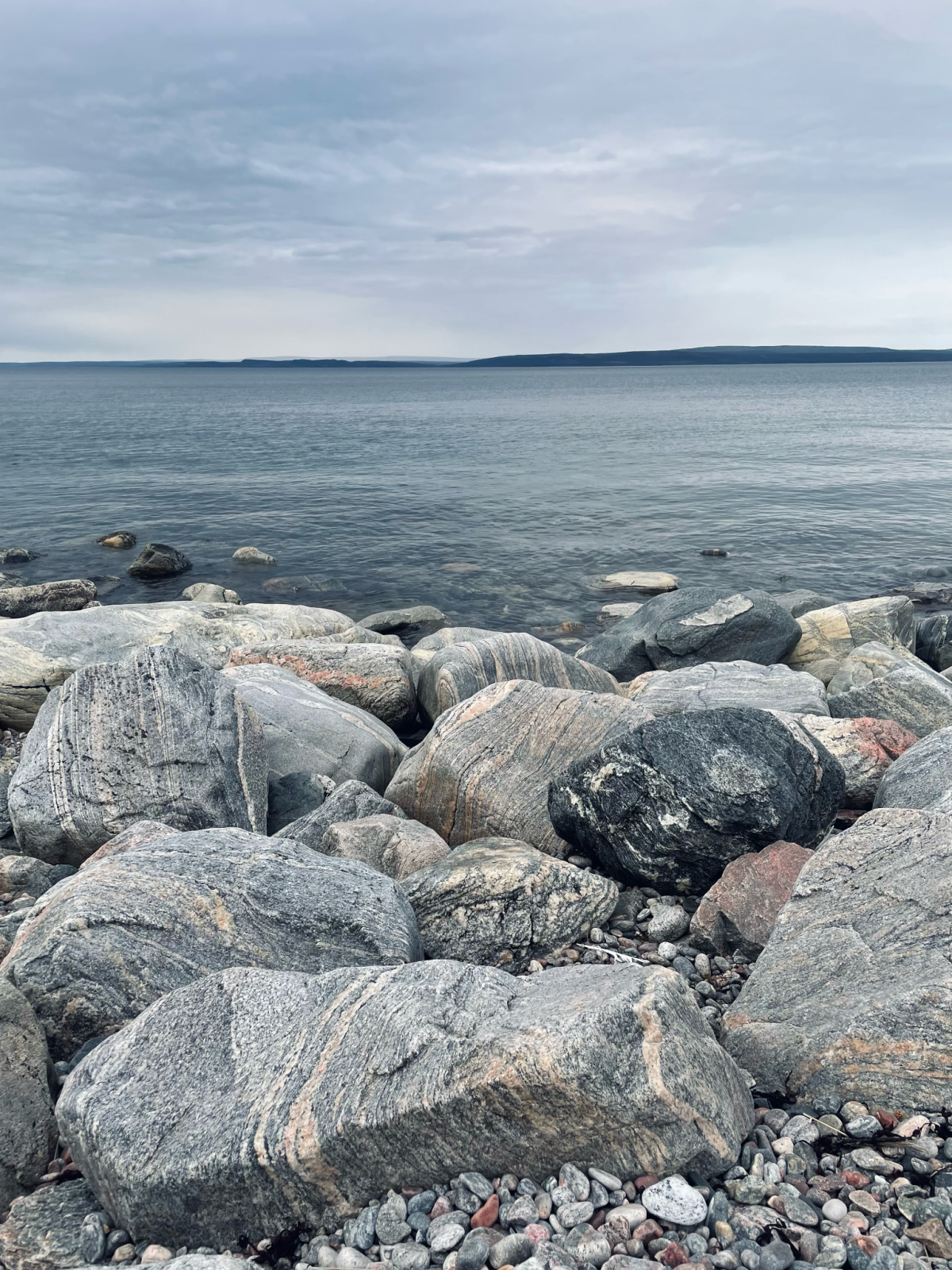
At Kevo Subarctic Research Institute, my attention shifted from extraction towards relationships between species and materials. I became fascinated by small forms of communication and interdependence: voles leaving traces that can be detected by other animals, birch trees responding to insects by attracting birds that feed on them. The landscape began to feel like a network of deeply intertwined relationships.
The further north we travelled, the more intense yet quiet the landscape became. Returning south, towards cities, shops and systems built around consumption, I suddenly became aware of how artificial much of everyday life can feel. And how silent, unique and precious the North is. There is undeniable magic there. It raised a contradictory feeling. Was travelling north an escape from the systems I live within, or was it reconnection with something I had become disconnected from?
At home I began “conserving” these experiences by creating samples of bioplastics with the materials I retrieved in my field trip. I want to continue exploring extraction not only as removal of materials from the Earth, but as a broader logic of capitalism – one that can also be applied to labour, attention and the human body.
Rare Earths: Field Studies in the Extractive North
Rare Earths: Field Studies in the Extractive North is a KUNO Network funded course organized as a multi-year research project between the Royal Institute of Art, Stockholm (KKH), Trondheim Academy of Fine Art (NTNU) and the University of the Arts Helsinki, Academy of Fine Arts. The course runs from 2025-2027 between Sweden (Abisko Research Station), Finland (Kevo Research Station), and Norway.
Latest posts
Follow blog