
Academy of Fine Arts Alum Jade Kallio in residence at ISCP in New York 2026
Alum Jade Kallio’s experience of a 6-month artist residency in New York.
New York is so fascinating and effortless. It feels like every chain café and clothing store, and so many of the city’s capitalist narratives, are built on layer upon layer of history, on stories of immigrant struggles, the civil rights movement, and local communal memories. New York seems like an odd combination of success, lived experience, and endless creativity, if you can afford it. It feels authentic, seductive, and alienating all at once.
I kept feeling like everyone knows so much about New York, and I should know more, do more, and then even more, until I was so exhausted. When my body hurt, and my mind was so jammed that I couldn’t even speak, the amazing stopped feeling amazing. The endless compliments always sounded nice though.
The city seems so demanding. There are screenings, performances, events, and gatherings happening constantly. In New York, I often found myself thinking about how very little I actually do in Finland besides my everyday routines and work. I do random events, occasional meetings with friends, some performances, and things like that. But in New York, that doesn’t feel like enough. There’s this voice in my head saying that I have to keep moving, or I’ll stop completely.
In New York, I loved walking around the city without any particular destination. I loved taking the subway to Central Park, getting a bagel, and watching people. I love clichés. In the park, I tried to spot famous actors, but unfortunately, they turned out to be masters of hiding, or maybe I just didn’t know they were famous. I’m waiting for a moment when I can take a picture and prove to everyone that fiction is real.
From there, I slowly made my way down through the park. Everything is so ridiculously beautiful, in a way. The silhouettes of the skyscrapers looked exactly like the New York I knew from countless movies and TV shows.
After the park, as the sun was setting, I kept walking down Manhattan. New York looks completely different in different light and seasons. There’s always something happening, steam rising from the ground, or someone with an extremely loud speaker bigger than a vehicle itself. People smile at you, talk to you, or compliment what you’re wearing. Sometimes I try to do the same, although it doesn’t come quite as naturally.
At some point I realize I’ve been walking for four hours and I’m in the East Village. My favorite part of the city. I love the atmosphere and the parks there. I get a pizza slice and eat it while walking. Apparently that’s how locals eat their slices. I rarely actually see anyone doing it.
I also kept wondering how clearly defined the different neighborhoods are. At what point does the East Village become Chinatown? Or is there something in between? I never remembered to google it. Maybe there’s a very clear line when Chinatown turns into Little Italy, because the difference is so obvious and kind of confusing. I love that a city can have neighborhoods that feel so distinctly different from one another. There’s something I really love about that.
By the time I get to the Williamsburg Bridge, it’s ten o’clock. The air is warm and humid, and the lights of Manhattan are so beautiful that I start crying while listening to songs I’ve chosen for the mood. I cry and keep walking, and my hand starts to wave, triggered by the music. It feels completely okay in NYC. Here, being visibly emotional and quirky seems more encouraged than something to be embarrassed about.
Two Lives at Once
I once read some study about what happens to people, in terms of productivity and working, when they live in densely populated cities. According to the study, it’s not necessarily that cities attract hardworking people. It might instead be more like an “urban rat race”: when there’s competition and limited opportunities and resources, everyone has to try harder and work more. It’s also about what economists call “relative performance”: the idea that our sense of how much we should be doing is shaped by what the people around us are doing.
When I came to NYC, I had somewhat high expectations for contemporary art, because of the city’s fascinating art history, the countless interesting queer subcultures that have emerged here, in music and other forms of culture. Especially when it came to contemporary or alternative, self-organized art, the exhibitions and events now seemed to be massively outweighed by commercial galleries, which most often seemed to focus on painting, and high-production venues. This was quite a shock, and something that was a little difficult to accept at first. After all, for me, the city was supposed to value independence, individualism, and self-organized culture.
Maybe all those interesting experimental art forms and the melting pot of popular and queer subcultures I had imagined finding here really flourished in the 1970s and 1980s.
The 1970s were a time when New York was going through a very difficult economic period. The city lost more than 800,000 residents during the 1970s, and in many neighborhoods there were empty buildings, cheap apartments, loft spaces, and unused commercial spaces. The relative affordability of these spaces made things possible. Artists took advantage of the situation and freedom the city offered and created new art spaces, communities, and institutions.
In New York, I can’t help thinking about how the city began to recover from the difficult economic situation, and how the growing wealth of the financial sector brought enormous amounts of money into the art market. At the same time, New York’s culture became a kind of global status and luxury product. Art and culture increasingly began to serve wealthy international consumers, while becoming less accessible to others, including artists. As the city became wealthier and affordable space gradually disappeared, the conditions that had made the “Golden Age of DIY” possible also began to change. Over time, commercial galleries and larger institutions became an increasingly visible part of the contemporary art landscape in the city.
There has also been a lot of discussion about how the commercialization of the art world and growing inequality could lead to a future where mainly wealthy people can afford to study art and work as artists, especially because of the rising costs and decreasing accessibility of studios, real estate, and housing. New York-based artist Josh Kline wrote about this issue in an essay published in February 2026.
I also started thinking about the idea of “relative performance” in relation to art, and how competition for resources eventually shapes the way we make art and position our own practices in relation to the structures around us. If the structures of the art world favor art that operates according to the logic of spectacle, then consciously or unconsciously, many of us begin to adapt our work to those conditions. The same applies to commercialization. We all need money and different kinds of resources in order to work.
Through the commercialization of the art world, working as an artist becomes divided between those who have access to privilege and connections or have different kinds of resources and those who do not, and art itself becomes valued through an economic perspective. With these thoughts, I am not criticizing individual artists or commercial galleries or other institutions, but trying to point toward possible developments that could just as easily happen in Finland, and in some ways are already happening.
Also, I am not against art sales, art fairs, or showing works in commercial spaces. What troubles me is how, through a combination of many different factors, art can become increasingly generic and boring over time. It can end up functioning almost like a relief image of art itself, referring to art, rebellion, or alternative culture mainly in order to make itself more desirable. The worst “genre” of art is art that tries to look like contemporary art.
These thoughts also say nothing about the countless interesting and inspiring exhibitions and projects I saw in NYC, but mainly reflect my own view of a structure that I feel dominates the city’s art scene. Of course, there are many interesting spaces and institutions in the city, including artist-run ones. NYC is enormous, and it keeps deepening and expanding with every moment and realization, layer by layer, like an onion. For example, an institution called Anthology Film Archives has a particular focus on independent, experimental, and avant-garde cinema.
It’s just important, even when it favors you, to at least try to understand the structures around us, rather than simply taking them for granted or seeing them as opportunities to climb higher.
In my own practice, I’m often interested not only in what kinds of narratives are being told, but from what kinds of environments they are being told and by whom. What are the conditions through which we construct our reality?
In my latest film, Janne, everyone who was part of the production was trans or non- binary, even though the film itself was not about trans issues. Alongside the narrative and the feelings I explore in the film, Janne was also about community and critically thinking about the structures of art-making and where we produce meaning from. What are these environments, who is part of them, and from what kinds of spaces and communities do we make sense of the world? For me, the focus is not only on the artworks or cultural products themselves, but also on the environments and relationships from which they emerge.
About ISCP and working conditions
The International Studio & Curatorial Program (ISCP) was a truly wonderful experience in itself. I loved ISCP, the people who worked there, the other artists in residence, and the genuinely warm sense of community. I got to know many artists closely and formed friendships that I hope will last forever.
ISCP is a very active residency. There were many meetings with curators, artist talks, and field trips to different galleries, artist-run spaces, and institutions. I got to meet the people working behind the desks and in the back rooms of artist-run spaces, and hear their thoughts on what was happening in New York’s art scene, the histories of their spaces, and how they approached curating exhibitions. Some of these conversations felt more like neutral, catalogue-like art talk, while others came more from lived experience, relationships, and personal involvement in the art scene.
I decided to come to New York for the residency without a project already prepared. The idea was that I wanted to see how the city, its culture, the people I met, ISCP, and everything around me would feel in my body, and what new ideas or thoughts might arise from this change. For me, residencies are time and opportunities to do something different and explore the unknown.
Working at ISCP was really inspiring. ISCP’s continuous emotional, technical, and theoretical support created a foundation for my work and encouraged me to work with new materials and ideas. The studio was incredibly beautiful and peaceful. I received all the help I needed whenever I asked for it.
Maybe partly as a response to how more and more things in New York started to feel like a spectacle, where everything is turned into something to be looked at, consumed, or experienced, I found myself thinking about the relationship between power and self-expression. About how, as artists, we often operate within different invisible systems, and what kinds of strategies we might have within them. How can we influence our own thinking and, through that, collective action?
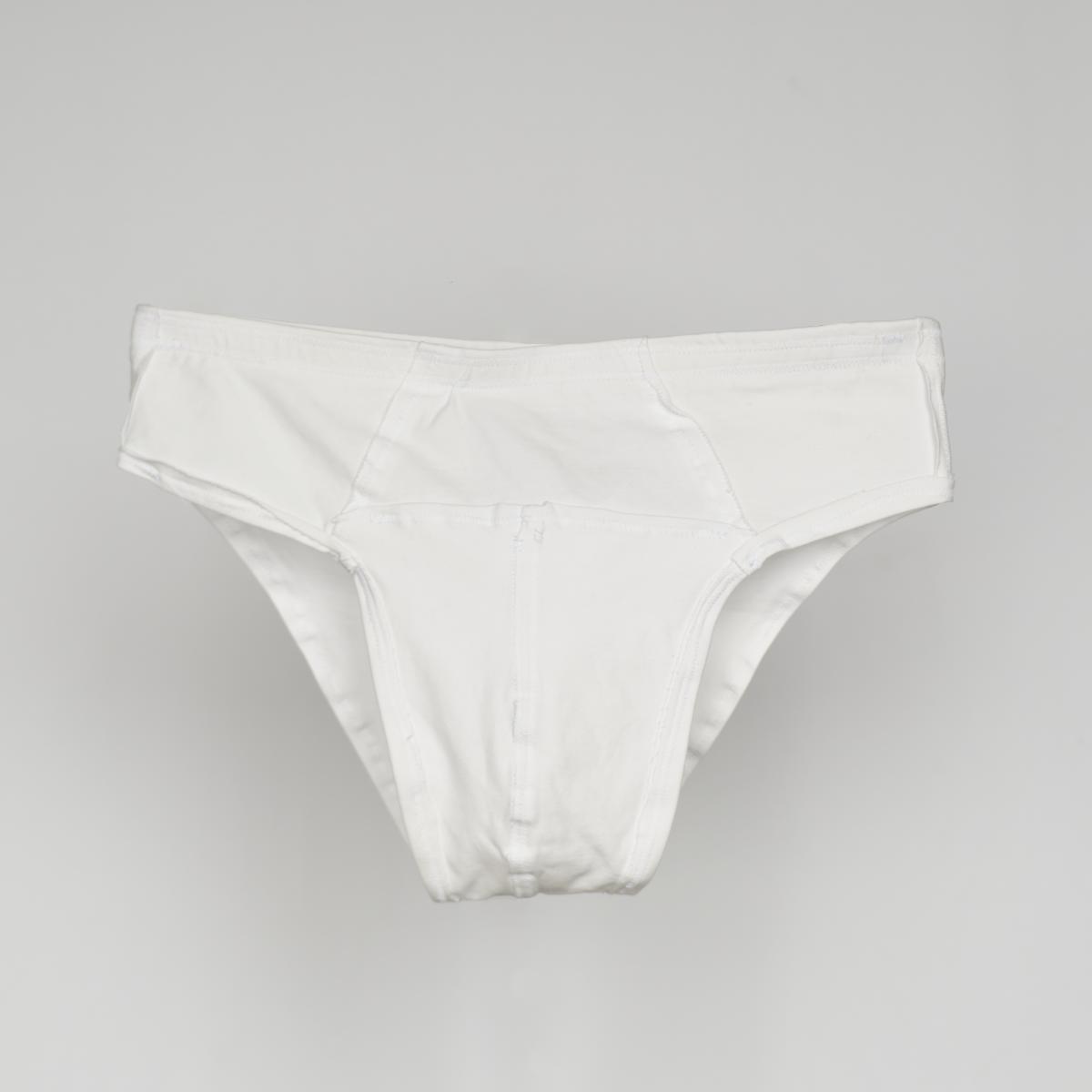
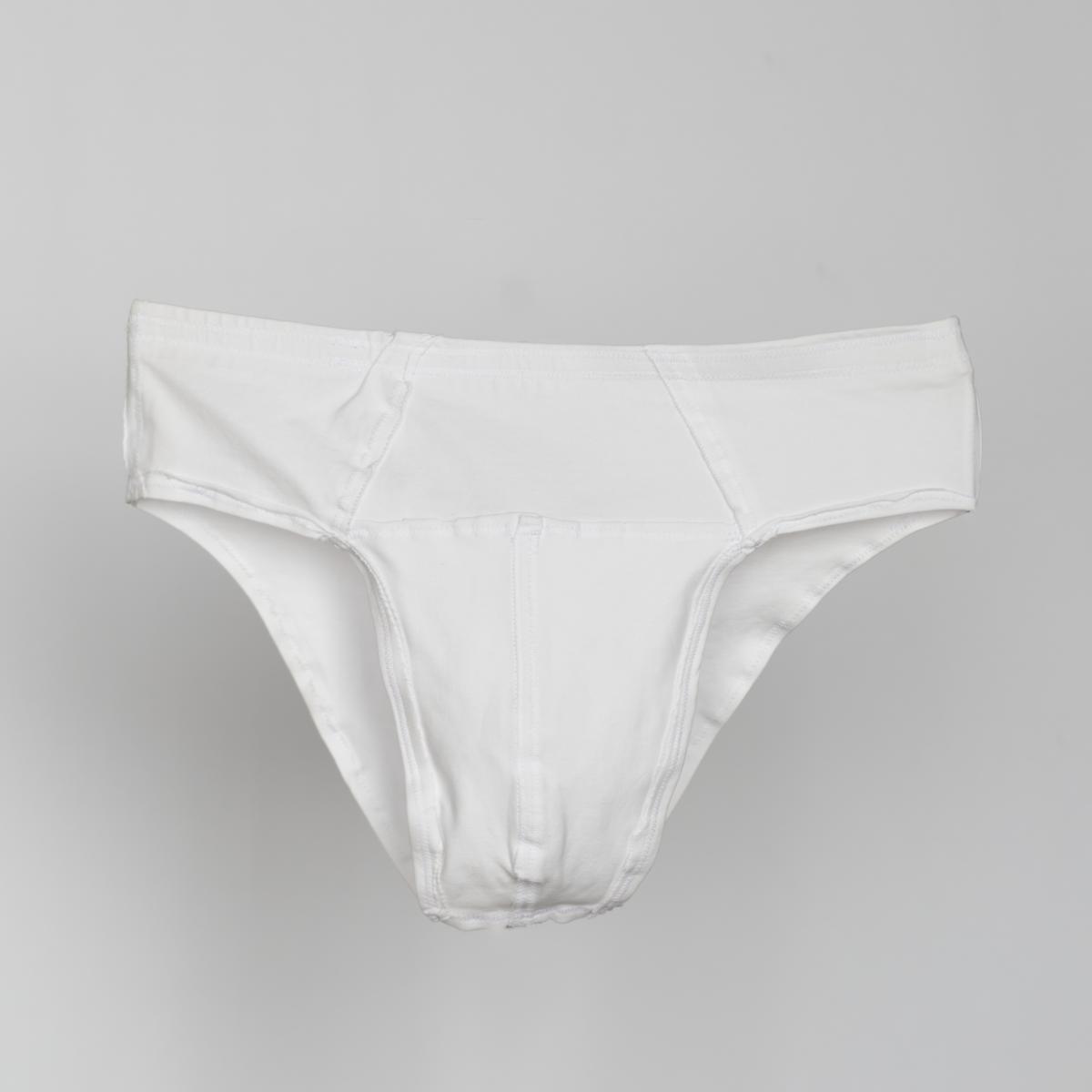
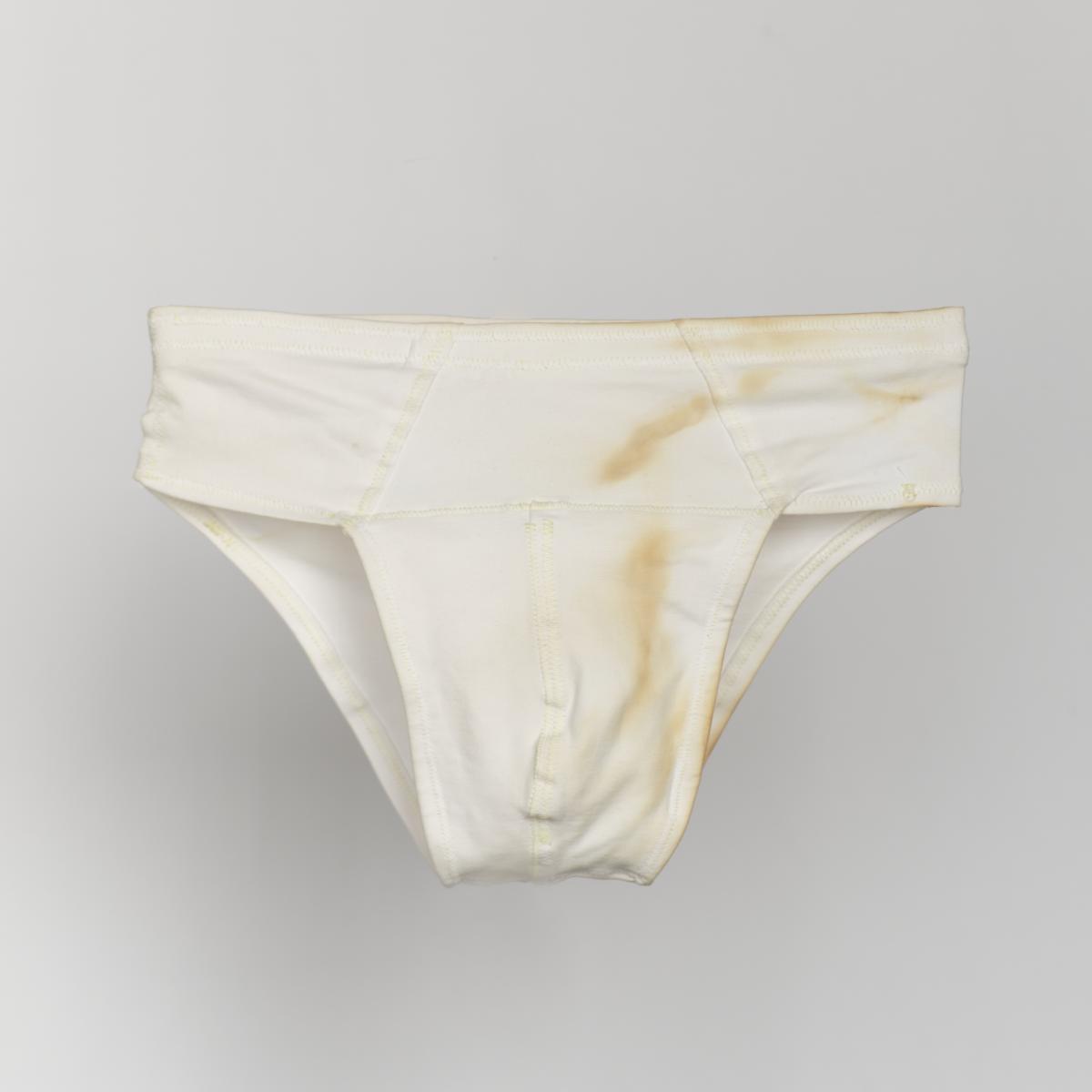
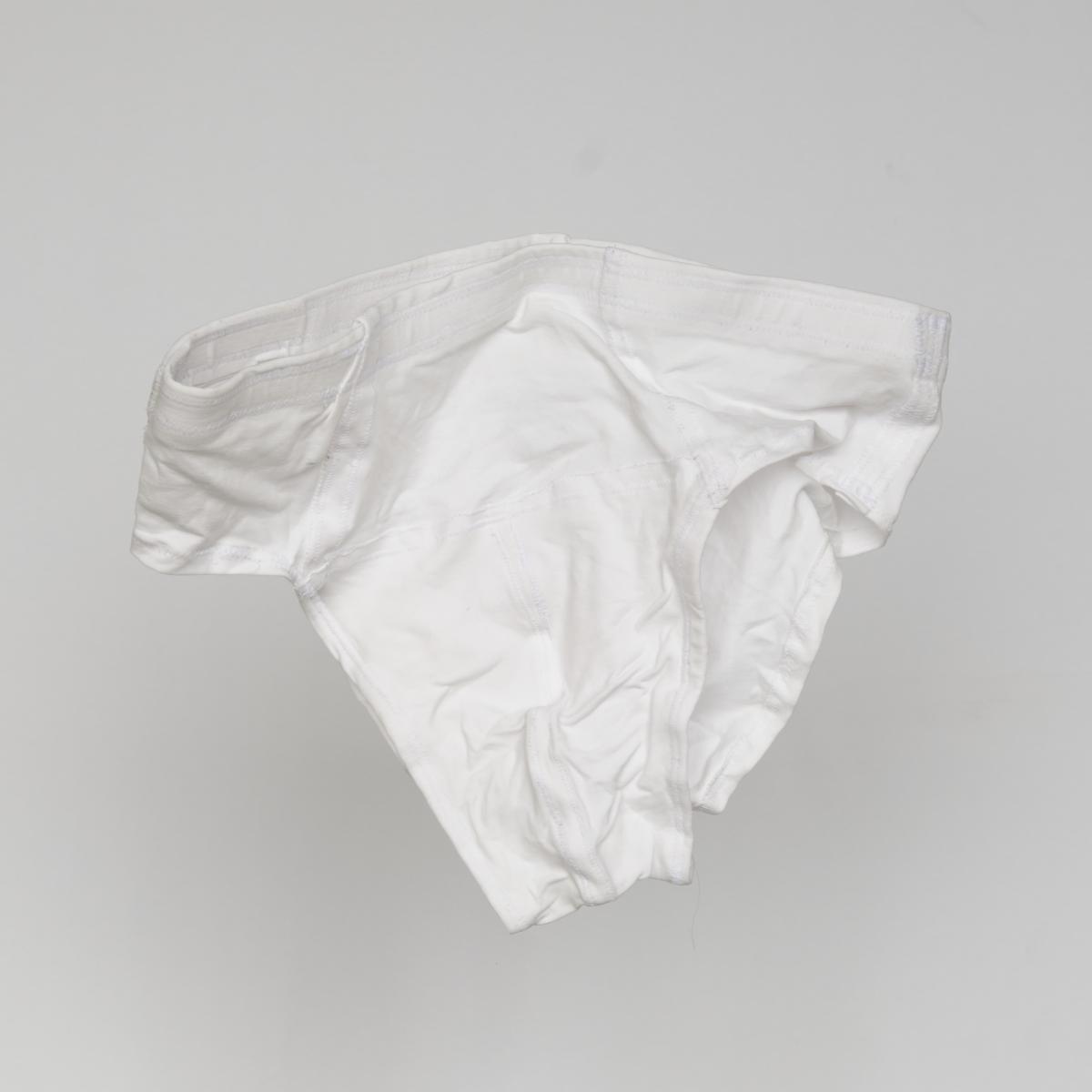
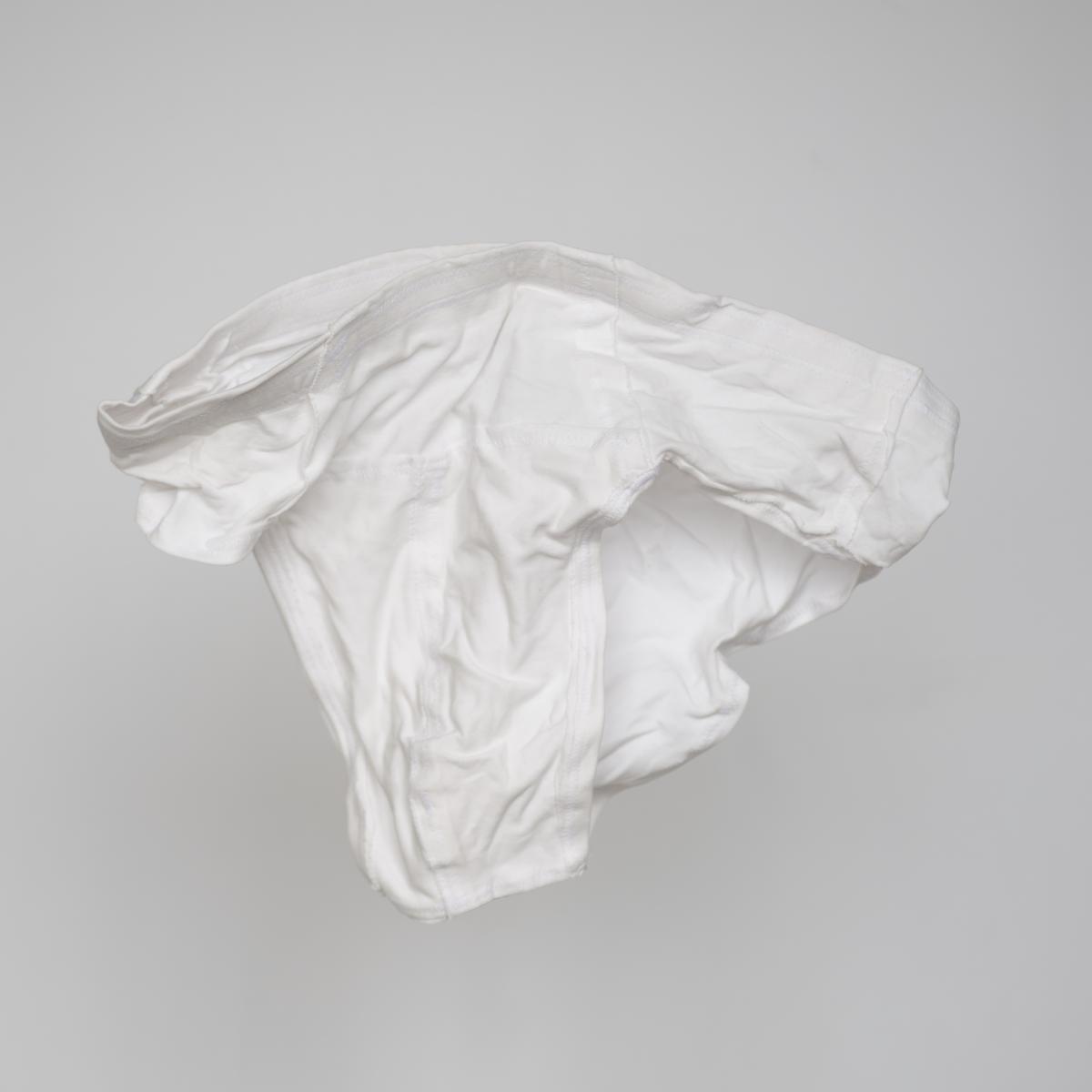
Eventually, I started thinking about how we present ourselves, perform status, identity, and gender through clothing, and what kind of dynamic of power and desire clothing creates around us and how it moves us. I decided to focus on underwear. This layer of clothing, hidden between the skin and the outer layers of clothes, is so loaded with meanings.
Then I basically decided to learn how to make underwear. At first, just for myself, making my own patterns. The idea was that by working with my hands and repeating the process of making these undergarments, my mind would go deeper into the design, the materials, fabrics, and sewing, and eventually I would begin to understand on a deeper level what I was actually doing.
I then started writing a script for my next film. It’s roughly about household work, longing, desire as a haunting feeling, and how desire is in constant movement from one person to another. Undergarments are some sort of devices within this machinery of desire. Now that I’m back in Finland, I’ve continued working with fabrics and clothing, as well as writing the script I started in New York.
Even so, in New York, I often personally felt alienated by the culture, especially from the art scene, missing opportunities I didn’t even realize were there, or being too cringe in situations where I was supposed to be professional. I also feel incredibly lucky and privileged to have had this experience, with all the exhaustion, parties, countless gigs and drag shows, interesting exhibitions, endless high-end museums, slices, bagels, new friends, enormous joy and laughter, and everything that happened along the way.
Six months in New York and being part of the ISCP residency program were made possible by a substantial material condition: a €48,000 grant from the Saastamoinen Foundation, which covered the ISCP residency program, a studio, an apartment in Williamsburg, and €2,000 per month for living expenses.
I wrote this text between 6 and 7 a.m. over the course of a few days. Early mornings seem to be the most productive time for me to write.
Text: Jade Kallio
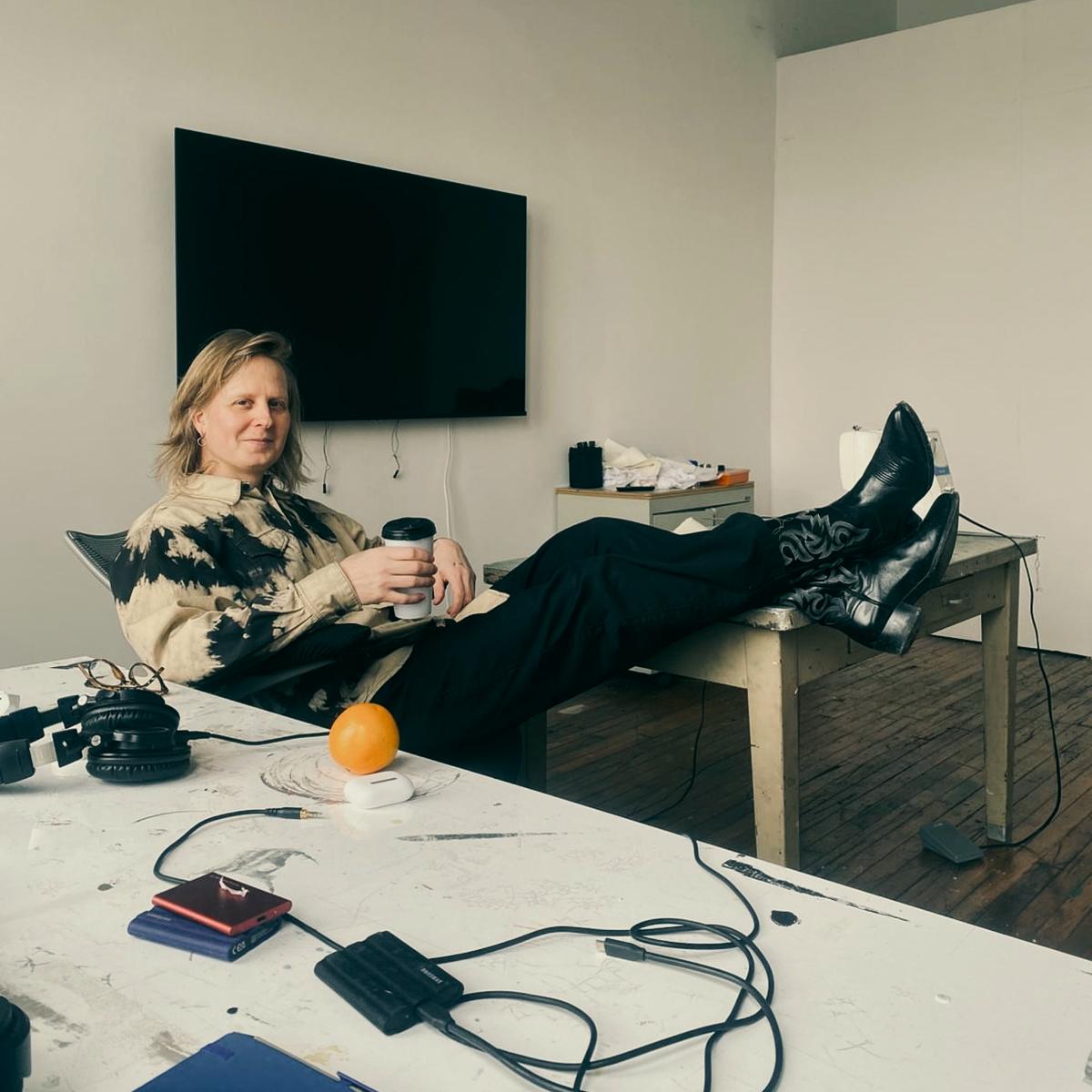
Photos: Jade Kallio, Heikki Heinonen (photo of Jade)
Taideyliopiston alumniblogi
Alumnimme ovat äänessä tässä blogissa ja tuovat uusia tuulahduksia taiteen työkentiltä.
Uusimmat julkaisut
-
Harriina Räinä in residence: Ecologies in the Making: Sculpting Futures residency in Scotland
-
Academy of Fine Arts Alumn Xiao Zhiyu at Jan van Eyck Academie residency 2025
-
Academy of Fine Arts alum Paola Guzmán Figeroa at LIFT residency in Toronto 2025
Seuraa blogia