
When words become cautious: Music, society, and public responsibility
Exploring one’s relationship with society is an inherent part of artistic growth, not a separate branch of interest or an alternative to “art for art’s sake” professionalism writes university researcher Tuulikki Laes.
What makes musical performance political?
How do musicians imagine society?
How is responsibility shaped through artistic processes?
These are some of the questions explored in Performing the Political research project. It explores how higher music education can engage with, respond to, and shape contemporary societal conditions and political questions.
“Political” can mean different things to different people, and individuals may want to express it in their art in different ways. The broad understanding that underpins this project, stemming from cultural and political theory, is that “political” refers to questions of how we can live together and exist as a community. These questions can relate to habits and rituals, power hierarchies and cultural sensitivities, and they require a great deal of negotiation from everyone. The capacity to imagine oneself in another individual’s position is crucial in these negotiations, and art can make a significant contribution to exercising and expressing this capacity.
The project claims that this type of engagement with the political is an essential part of studying to become a musician. It does not necessarily mean taking a stance or adopting an activist disposition. However, two major indicators of the urgent need for a more conscious political project within higher music education have emerged during the project, as we have discussed with students and teachers and had the opportunity to observe their work up close.
First, music professionals work in the public sphere and are dependent on public spaces and audiences. This brings with it a certain critical responsibility, and students deserve guidance and support in building their careers as responsible public professionals. Second, the need for a sense of community is increasingly emerging in musicians’ work and across various sectors of society. Therefore, emphasizing collectivity in education and offering various experiences during studies can help students prepare for the world in which they will work with various experts, communities, and audiences. Seeking the political dimension in one’s artistic and pedagogical work is an ethical gesture of considering oneself in relation to community and other people.
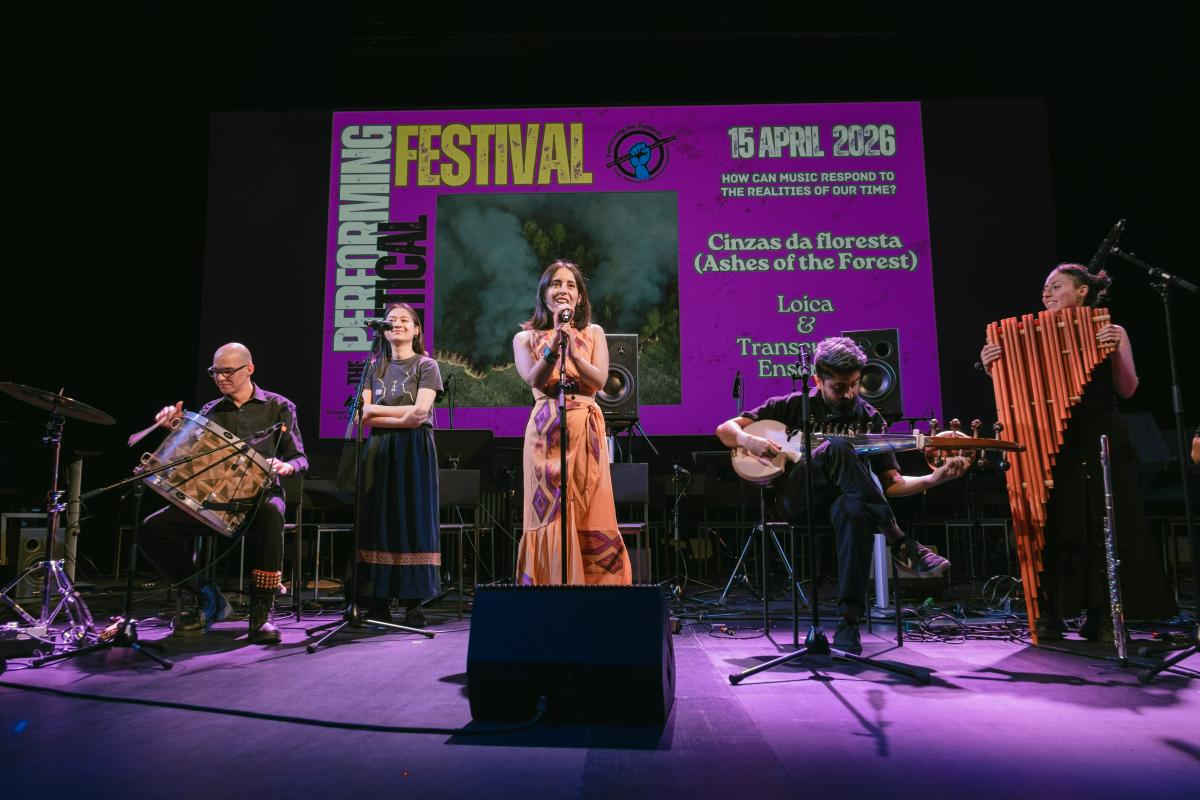
Exploring one’s relationship with society is an inherent part of artistic growth, not a separate branch of interest or an alternative to “art for art’s sake” professionalism. At the Sibelius Academy, these explorations are already underway across the different music performance programs. This is what we aimed to bring to the fore with a one-day festival on 15 April at Musiikkitalo—highlighting the full spectrum of the teachers’ and students’ societal thinking and imagination with over 20 performances or documentary screenings by nearly 100 performers. During the academic year, they had, for example, conducted interviews with artists, engaged in improvisational work, and created and staged performances from the perspective of “the political”. The outcomes ranged from loud to subtle, from bold to suggestive, and from critical to hopeful.
Author Sofi Oksanen recently mentioned in an interview that the starting point for her libretto for Kaija Saariaho’s opera Innocence are that art has a protective effect: it allows us to approach difficult themes and uncomfortable questions in an expressive and imaginative way. Perhaps this is also a task for the Sibelius Academy: to nurture artists who, like Kaija Saariaho, can question conventions, resist easy categories, and approach difficult societal themes through art with courage, sensitivity, and imagination.
In the same vein, as one of our festival’s student performers, accordionist Zimu Wang, noted in his artistic performance on the freedom of speech: “When words become cautious, people turn to other forms.”
Art cannot escape the political, but it can teach us that the political does not always emerge through a statement; sometimes it begins with listening.
Writer
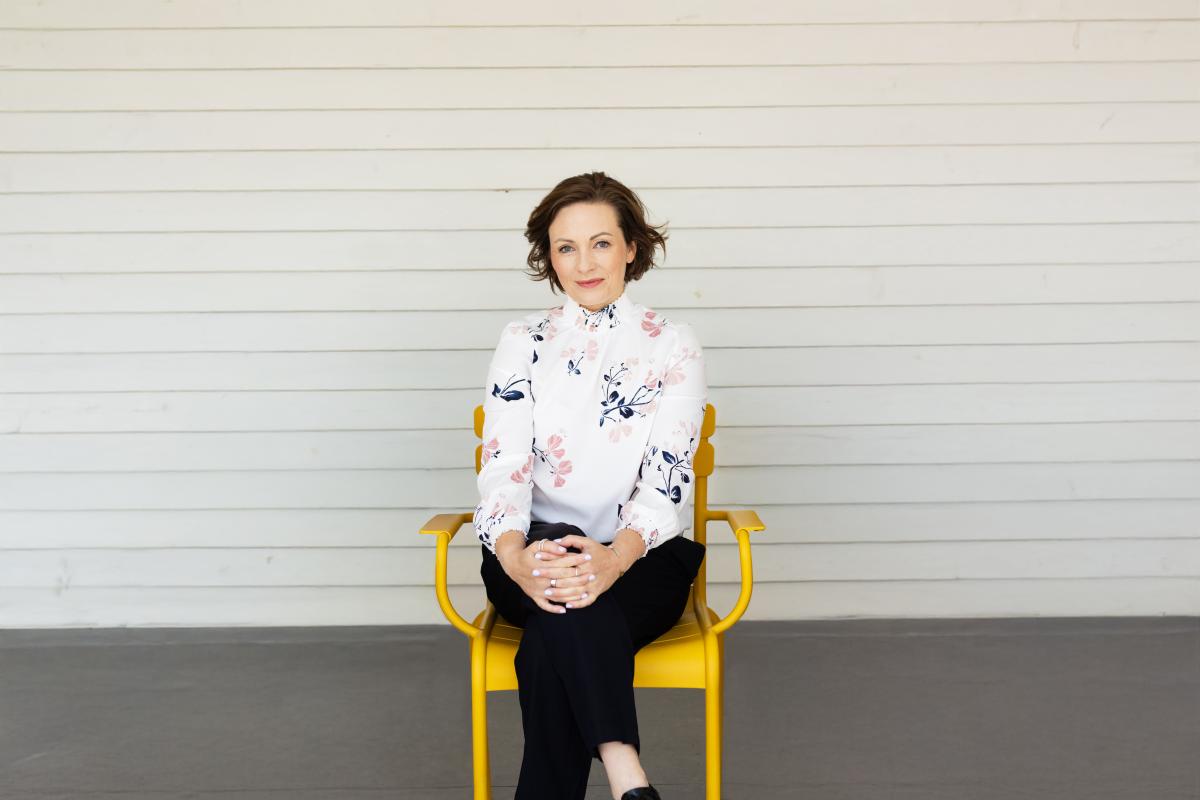
Tuulikki Laes is the principal investigator in Performing the Political: Public Pedagogy in Higher Music Education, a four-year research project (2023–2027) funded by the Research Council of Finland.
Art makes a difference
PEAR-tutkimusverkoston blogista löydät verkoston uutisia ja näkökulmia siihen, miten taidekasvatuksen, taiteilijapedagogiikan ja taiteellisen ajattelun tutkimus toimii muutoksen kipinänä koulutuksessa ja yhteiskunnassa. Tutkimusverkosto on osa Taideyliopiston Tutkimusinstituuttia.
PEAR research network’s blog shares news and views on how research in arts education, artist pedagogies, and artistic thinking sparks change in education and society. The research network is part of Uniarts Helsinki Research Institute.
Latest posts
-
Not just "playing around" - the transformative power of early childhood music education
-
Call for participants: Societal engagement as part of studying in Sibelius Academy
-
Why Stories, Culture, and the Arts Matter for Health and Well-being
Follow blog