
Interviewing three Master’s in Dance Performance alumni
Three alumni of the Master’s Programme in Dance Performance share their artistic journeys, how they found their way into the programme, and what their professional lives have looked like since graduation.
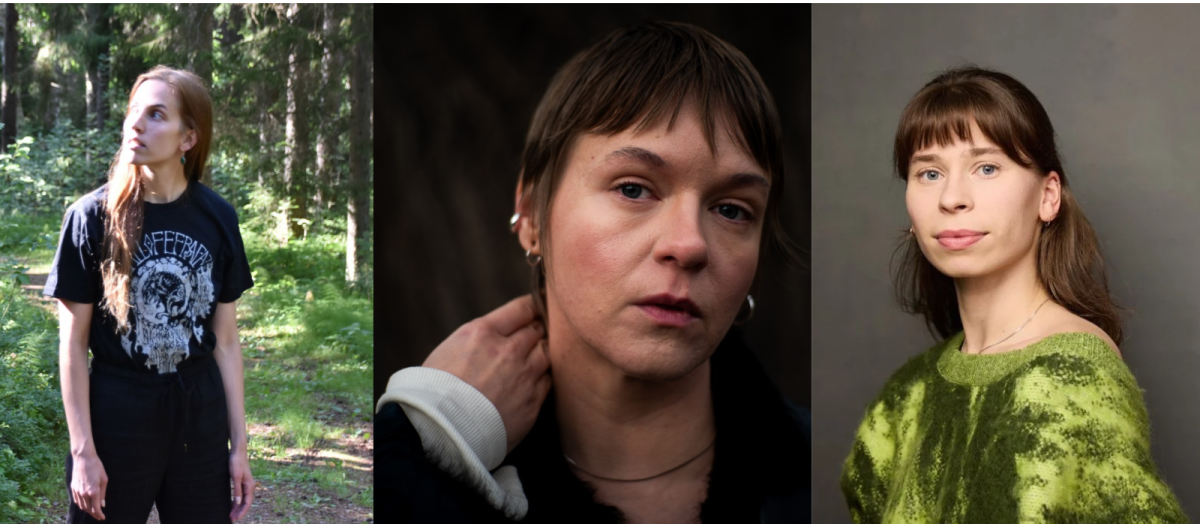
Matilda Aaltonen
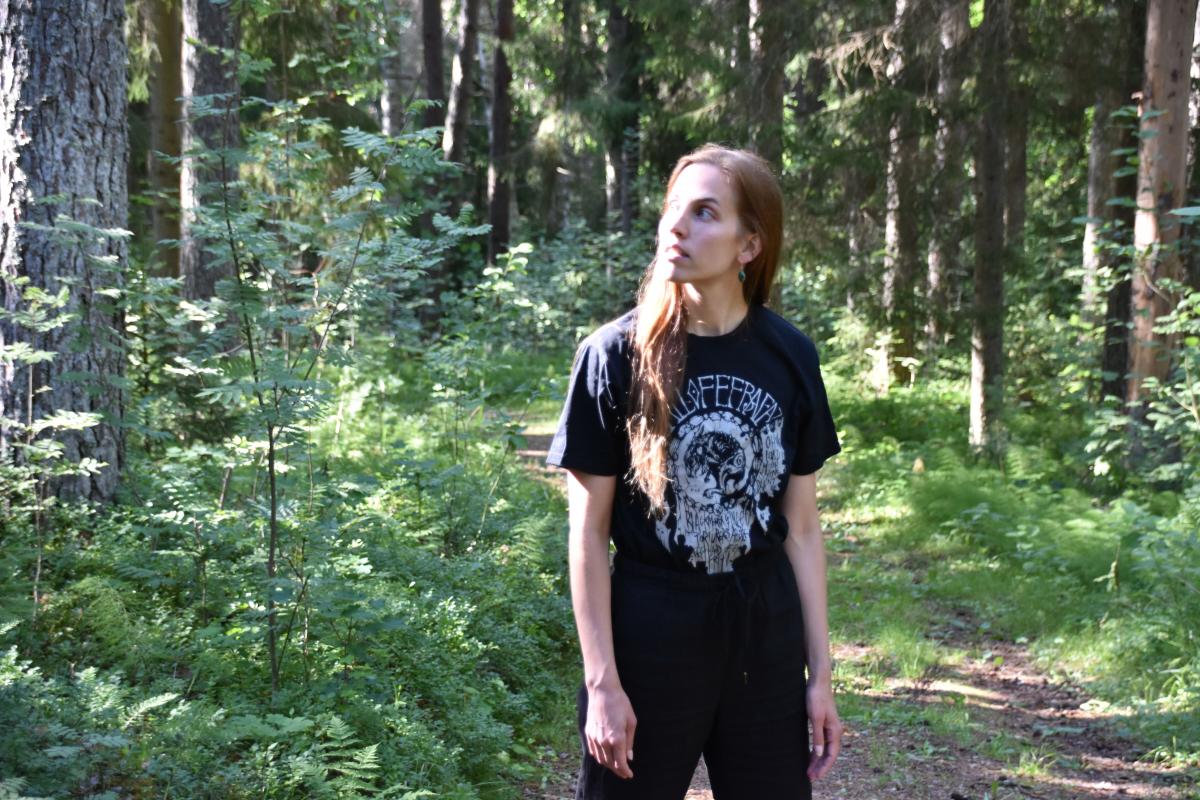
Tell us about yourself and how you ended up studying in the Master’s programme in Dance Performance at Uniarts Helsinki.
I’m Matilda Aaltonen, dancer, choreographer and researcher. I live in Helsinki, Roihuvuori, with my partner and two cats. I graduated with a Master’s degree in Dance in spring 2020.
Before my master’s studies I had a Bachelor’s in dance from the Theatre Academy and a degree in dance from Outokumpu (North Karelia Municipal Education and Training Consortium Riveria). I wanted to pursue a master’s right after my bachelor’s studies, but I wasn’t sure if I wanted study choreography or dance performance. I was then and am still to this day interested in both roles quite equally, so I applied for both programmes. I got into the Master’s degree programme in Dance Performance, which in hindsight was a great thing for me.
How did studying in the programme shape your practice and what did you take away from it?
It is probably thanks to my master’s studies that my artistic practices are very much centred on the body and on being a dancer. Even though I work currently as much as a choreographer as I work as a dancer, my choreographic practice is very much informed through my knowledge of being a performer. When I look back on my studies, I feel good about the fact that we had so much time to spend on researching embodiment and on dancing. This developed skills of being a dancer but also helped gain understanding of what it means to live and act as a bodily creature in this society without submitting to molds offered from the outside.
Through trial and error, we learned what it means to work collectively as a working group. Almost everyone was interested in new materialism, and Feldenkrais seemed like the best thing ever. Also very valuable to me were all the projects we did together with students from other degree programmes. I still have important colleagues whom I got to know through these projects.
What has your professional path been like after graduation and what are you currently busy with?
In 2020 I graduated into a field ravaged by the corona virus. I was lucky to have work. For a year I worked in a research project combining art and science called Voiko eläintä kertoa? (Can animals be expressed?), in which we wondered about the methods of conceptualizing animals and the challenges with those expressions. How can you express animals in ways that reach their subjecthood, their mind, their agency and their own viewpoint on life? I became interested in Critical animal studies, a multidisciplinary field of study which aims to improve the rights of animals. I created performances in which I tried performing seagulls, swans, cats, dogs and vipers. After the Can animals be expressed? -project, I worked in another project combining art and science and focused on animals. I was interested in, or I felt the urgent need to, study the position of animals in performing arts. I also continued the bodily study of what it means to be a human animal, which I already started during my master’s studies.
I worked as a freelancer for five years. I did everything: I danced, taught, worked as a producer and also spent some months unemployed a few times. My work has always taken place at the intersection of dance and performance art. My works have been seen at, for example, Reality Research Centre, Zodiak, Moving in November festival, HAM Helsinki Art Museum and Mänttä Art Festival. In August 2025 I started my artistic doctoral research at the Theatre Academy.
At the moment I work as an artistic doctoral researcher at the Theatre Academy. My research is focused on dancer’s practices that facilitate performing with other animals. My intention is to immerse myself in dancer-centred research, even though my main attention is on non-human animals and on how their inclusion changes the notions of dance. To my knowledge I am the first doctoral researcher at Uniarts Helsinki with a background in the Master’s degree programme in Dance Performance.
I am currently busy with the first artistic part of my doctoral thesis, which will premiere at Moving in November festival on 12.11.2026. Four foxes that have escaped from fur farms and are currently living at animal shelter Tuulispää have been part of creating the performance, called To follow your tail. The performance combines video filmed together with the foxes, dance and poetry, and it will take place at Cable Factory’s Turbiinisali. Welcome to watch!
Tuija Lappalainen
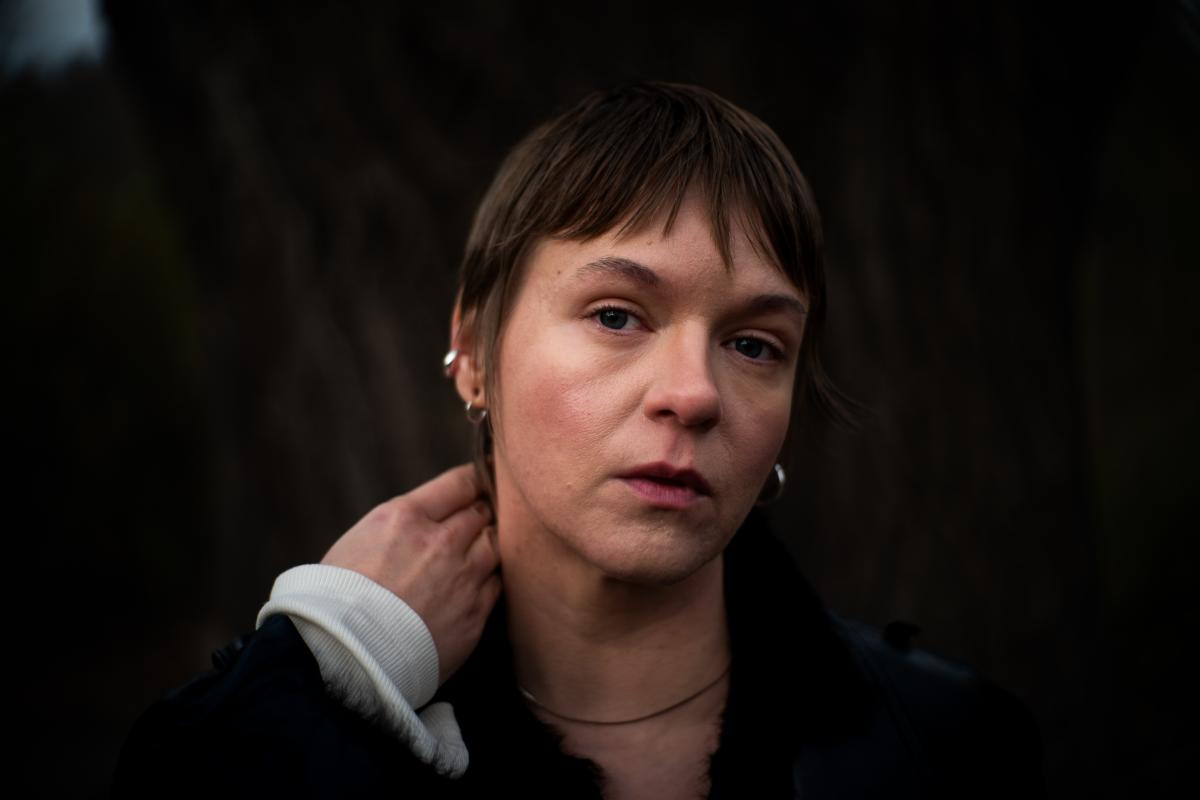
Tell us about yourself and how you ended up studying in the Master’s programme in Dance Performance at Uniarts Helsinki.
I’m Tuija Lappalainen. I work multidisciplinarily in the contexts of new dance, contemporary theatre and contemporary performance and in between these disciplines, primarily as a choreographer, director, dancer and actor. I live in Helsinki but practically I work and spend my time partly also in Turku. Sometimes work takes me to other regions of Finland as well. My path with studies has been varied, since I have graduated from both dance studies and theatre studies, in addition to which my first education is in fine arts. I graduated from the Master’s programme in Dance Performance at the Theatre Academy in spring 2023.
Even though before my master’s studies my professional identity had started to be more focused on being a maker in the positions of a choreographer and director, I also worked as a dancer and actor. The reason for pursuing further studies was that in the essence of performing there was something that I felt was important for me to delve further into. I had completed postgraduate studies in Germany focusing on artistic research from a choreographer’s perspective, where notions arising from one’s own performer’s practice played an important role. When I applied for the studies, it was during the pandemic, I had just moved from Germany back to Turku and I was missing a community and a frame in which I could continue focusing on the questions and practices concerning the performer’s work.
How did studying in the programme shape your practice and what did you take away from it?
During the studies, or even right after, it was harder to recognise the influence on my artistic practice, but in fact, they contributed to it quite a bit. When I think of my artistic practice and artistic thinking before and after the studies, I feel that they have become more structured and deepened – as has the articulation related to them, although this is an ongoing process and a constant work of understanding and tracing. Things that I explored during the studies were important phases to where I am at this moment with my practice. I would describe it this way: throughout my studies, the processes related to my own artistic practice remained a thread running through them, taking on and bursting into different forms at different times. There are also moments I may still return to, for example, how the squeezed timeframe of a course gave rise to something that could be examined more closely in the future.
A significant part of my studies was the artistic and written thesis, since working with both was a longer process and they complemented each other – in the artistic thesis perspectives related to my own practice were able to evolve, reflect one another and remain in process. In the context of the work it was possible to examine the notions one carries for example in relation to different aesthetics and ways of creating – which created further possibilities for broadening one’s thinking and awareness of how and in what kinds of contexts, one’s own practice is contextualised. Theoretical studies sparked many things for me, some of which I have exploredfurther since completing my studies. The studies have left me with friends and colleagues with whom the shared working processes and conversations were an important part of the studies and created a shared basis for working together after graduation.
What has your professional path been like after graduation and what are you currently busy with?
Since graduating, I have done a variety of things; working both in the free scene and also in theatres with different choreographers and directors as a dancer and actor while also working steadily on my own works as a choreographer-director, co-produced by different venues. Occasionally I have also worked with spatial and costume design in productions for a few different working groups. This autumn I have spent my time working on my upcoming piece, and my last work as a dancer was in Anna Torkkel’s work Bliss. At some point after graduating, my work began to gravitate back towards my own artistic work as a choreographer and director, in which dramaturgical work has also been an integral part. Since then I have also felt my work veering towards a more multidisciplinary direction in which its form and context may also vary to some extent. This feels as though different elements of my background are coming closer to one another, and sensations of something new are beginning to emerge.
Right now I am in between projects, planning things related to upcoming works and working as one of the curators for a seminar event arranged by SLURPS – stage for contemporary art. In the coming month, there will be a tour of Soturit, a work choreographed by Anne-Mareike Hess that premiered last spring at Dance Theatre Minimi, in which I perform as a dancer. After that I am returning to work with my upcoming piece Nowhere is left untouched by its dark presence, and for rehearsals ahead of the premiere in January 2027 in Ehkä production’s Contemporary Art Space Kutomo.
Anette Toiviainen
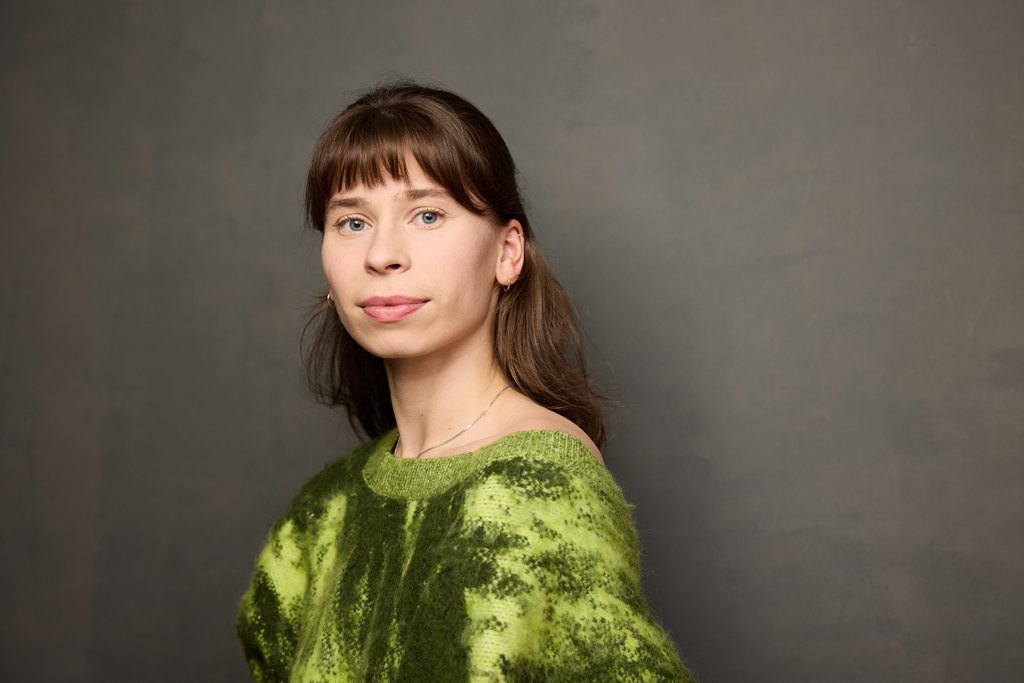
Tell us about yourself and how you ended up studying in the Master’s programme in Dance Performance at Uniarts Helsinki.
I’m 28 years old and I come from Kerava, Finland. At the moment I live in Helsinki and work as a dancer and dance artist. I’m extremely interested in dance and its place in contemporary society. My professional studies in dance started when I was 19 years old when I moved to Stockholm for my Bachelor’s studies. I graduated in 2020 during covid and wondered what I would do after my graduation. I went to Copenhangen to study in a year-long post graduate programme through which I also did an internship at Skånes Dansteater. After my studies, I split my time living in Finland and Denmark and my life as a professional in the dance field started. I was combing through the field, auditioning and getting to know different opportunities. It felt like the world was opening up for me. In 2023, I was chosen as one of the artists for Amos Rex Generation 2023 exhibition with my solo work and I also worked as a dancer in a few productions. However, I was missing having a community around me and I also wanted to gain a deeper understanding of the Finnish dance field. So the thought of Master’s studies started to develop. I got to know the study options at the Theatre Academy, and the Master’s programme in Dance Performance started to seem like an interesting option to continue my artistic and professional development. I applied for the programme in spring 2023. I got further in the process one step at a time and was happy when I was offered a place in the programme and got to find out what it had to offer for me.
How did studying in the programme shape your practice and what did you take away from it?
To this day, I’m especially grateful for the colleagues and friends that the studies brought into my life. During my studies, I got to build a network and collaborate with many different creatives, both students and teachers. These contacts have been very valuable also after my graduation. For example, Giorgia Lolli who studied in the Master’s programme in Choreography and who I collaborated with during the ACO project, has stayed in my life both as a friend and as an important colleague. Renan Martins, who was the choreographer of the TADaC project, has shared information and tips about the international field of dance with me. So you could say that many seeds were planted during my studies.
I have also learned a lot and gotten encouragement and feedback from the programme staff and from my classmates. As artists, we were all different as a group, and I found this to be a great strength. My artistic practice and artistic thinking have been especially influenced by encountering so many different ways of doing and thinking. During my studies, I got to ask and also answer questions, sometimes also surprising ones from others. Today I feel that asking questions and being curious have stayed with me as an important way of working. Through positive “What if?” wondering I have found clarity in my own artistic identity and my choices have become clearer. I also try to use this as a tool when I work in other people’s projects. Through asking questions and reflecting, I try to offer and suggest different options and opportunities in a flexible and forward-thinking manner – without always needing clear answers and solutions.
What has your professional path been like after graduation and what are you currently busy with?
I worked quite a lot as a dancer during my Master’s studies and in doing so encountered quite a puzzle. A colleague described this well as the noble art of being a dancer – learning to juggle many different things and putting together a puzzle that works for oneself. Through combining studying and working, I also learned to have a more positive attitude towards building a professional palette in this way. Managing schedules is one very important aspect of my professional identity and skillset currently as a freelancer. One important takeway during my Master’s was deciding to stand firmly on my own two feet and finding my agency as a professional through combining studying and working.
Many of the connections I made during my studies have continued after my graduation. For exapmle, I worked at Tero Saarinen Company during my Master’s and my work there has continued after I graduated. I have been consciously gravitating towards a professional profile where I work first and foremost as a dancer. I am happy that this is also something that has come to fruition. I have been able to work as dancer for many choreographers in Finland and other Nordic countries. My Master’s studies have had an effect on the way I am as a dancer in different processes: for example, I throw out ideas quite freely and without filter for the choreographer to then sift through and curate. Alongside my work as a dancer I, also work on my own creative and artistic projects. I am currently working on a new solo project. At the same time, I work as a dancer towards a premiere in December and soon I will go to London on a study trip organised by Dance House Helsinki. I also love to teach, and this autumn I am making a musical choreography for upper secondary school students. At the moment, my professional identity is an intriguing puzzle, with movement-based dance practices and performing at its core.
Tanssitaiteen blogi
Tanssitaiteen blogi on perustettu alustaksi, jolla keskustella erilaisista tanssitaiteeseen ja sen tekemiseen liittyvistä kysymyksistä ja havainnoista. Blogin kirjoitusten kautta pääset tutustumaan tanssitaiteen opiskelun arkeen opiskelijoiden ja henkilökunnan näkökulmista, ja lukemaan ajoittain ilmestyviä opiskelijoiden ja opettajien haastatteluja.
Uusimmat julkaisut
-
Haastattelussa kolme tanssijantaiteen maisteriohjelman alumnia
-
On Process, Collaboration and Agency – a Dancer-Performer’s Account on Artistic Collaboration
Seuraa blogia